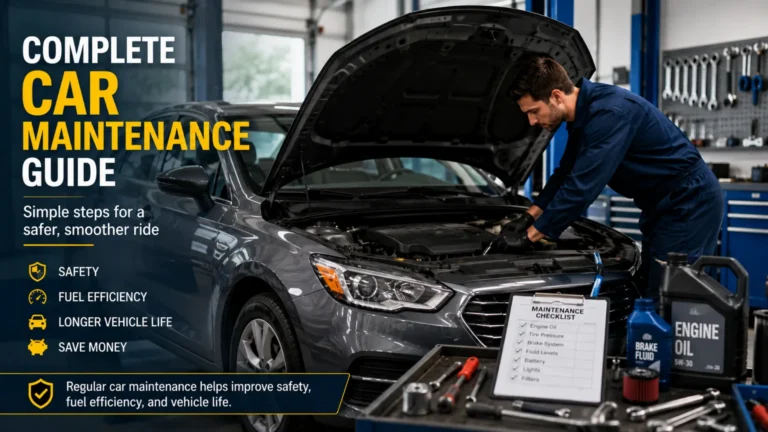
Wondering how often to change car oil? Usually every 5,000 to 10,000 kilometers, though it depends on your car and how you drive. Get it right and your engine should run better and last longer. It’s one of the cheapest ways to avoid a huge repair bill.
Modern cars can often go longer between changes than older ones, so that old advice you’ve heard may be out of date.
So why does it matter? Oil lubricates moving parts, cuts friction, reduces heat, and helps clear dirt and sludge out of the engine. Without proper oil maintenance, your engine can wear out much faster.
Waiting too long is one of the biggest mistakes you can make. Old, dirty oil can’t protect the engine properly, and that can lead to overheating, poor performance, and serious damage.
Your own schedule will depend on a few things:
- Type of oil used
- Driving habits
- Vehicle age
- Weather and climate conditions
Quick Answer
Most vehicles need a change every 5,000 to 10,000 kilometers, depending on the oil and driving conditions. Synthetic oil usually lasts longer.
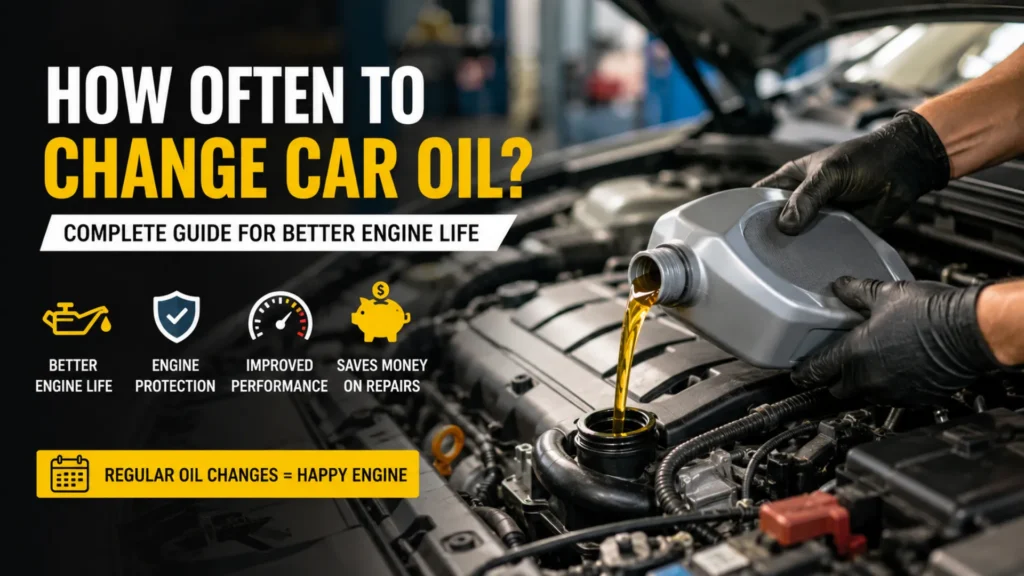
How Often Should You Change Car Oil?
For most cars, the answer is every 5,000 to 10,000 kilometers, depending on your oil and how you drive.
Older cars usually need it more often, especially on conventional oil. Newer cars, with their advanced engines and better oils, can often go much longer.
Here’s a simple guide:
| Oil Type | Recommended Interval |
|---|---|
| Conventional Oil | 5,000 km – 7,500 km |
| Synthetic Blend | 7,500 km – 10,000 km |
| Full Synthetic Oil | 10,000 km – 15,000 km |
Newer engines are more efficient and have better protection, which is why they can often run safely for longer between changes.
Your owner’s manual is still the best source. The manufacturer knows your engine, and it’ll list the right interval for your car.
Do you drive in heavy traffic, hot weather, or dusty conditions? You may need to change it earlier, even if the manual allows longer.
Few maintenance habits are this simple or this useful.
Signs Your Car Needs an Oil Change
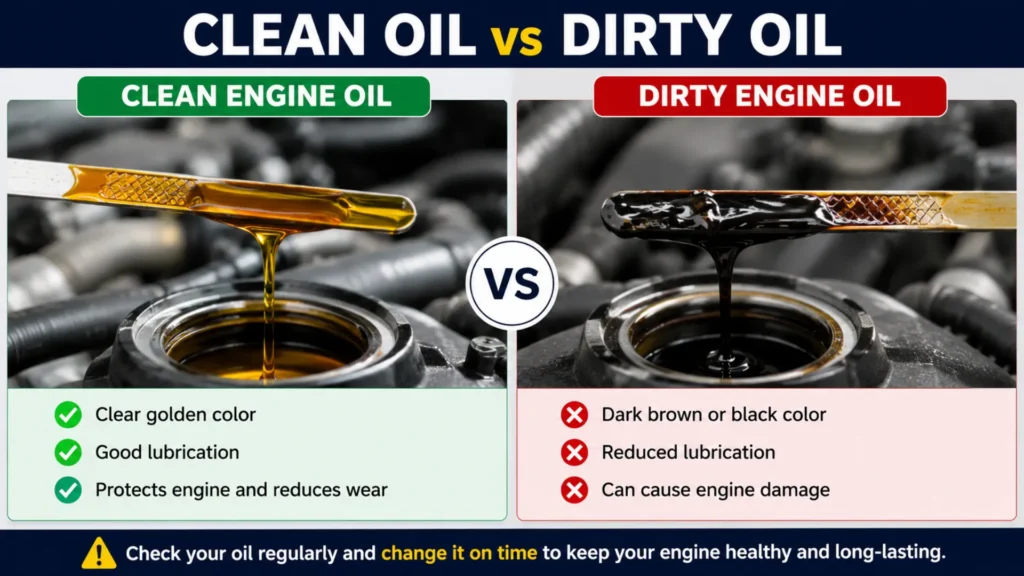
What are the signs your car needs an oil change?
Your car will often let you know. Pay attention to these clues, and you could avoid engine damage.
Here’s what to watch for:
- Dark or dirty oil
Clean oil is usually amber. Dirty oil turns dark and thick. - Engine noise
Old oil can’t lubricate properly, so the engine may get louder. - Oil warning light
If it comes on, your oil may be low or dirty. - Burning smell
This could mean the oil has overheated. - Poor fuel economy
Dirty oil makes the engine work harder and use more fuel. - Excess exhaust smoke
Visible smoke can point to an oil-related problem. - Rough engine performance
You might notice sluggish acceleration or rough idling.
Ignore these, and you could end up with more engine wear and expensive repairs.
Factors That Affect Oil Change Frequency
Not everyone needs the same schedule, because how you drive affects how quickly oil breaks down.
Here are the main things that matter:
- City driving and traffic
All that stopping and starting stresses the engine. - Extreme temperatures
Very hot or cold weather affects how oil performs. - Short trips
The engine may never fully warm up. - Heavy loads and towing
Extra weight makes the engine work harder. - Dusty roads
Dust and dirt can contaminate oil faster. - Aggressive driving
Fast acceleration and hard braking speed up oil breakdown.
| Driving Condition | Oil Change Frequency |
|---|---|
| Highway Driving | Less Frequent |
| Stop-and-Go Traffic | More Frequent |
| Hot Climate | More Frequent |
Mostly drive in heavy traffic or hot weather? Change your oil a bit sooner to keep your engine protected.
Synthetic Oil vs Conventional Oil
The kind of oil you use makes a big difference to your schedule.
Synthetic oil is engineered to last longer and offer better protection than conventional oil.
| Feature | Synthetic Oil | Conventional Oil |
|---|---|---|
| Oil Lifespan | Lasts longer (10,000–15,000 km) | Shorter lifespan (5,000–7,500 km) |
| Engine Protection | Better protection against wear and heat | Basic engine protection |
| Performance | Smoother and more efficient | Standard performance |
| Cold Weather Performance | Flows quickly during cold starts | Thickens more in cold weather |
| Hot Weather Resistance | Handles high temperatures better | Breaks down faster in extreme heat |
| Sludge & Deposit Control | Helps keep engine cleaner | More likely to form sludge |
| Fuel Efficiency | Can slightly improve fuel economy | Average fuel efficiency |
| Best For | Modern cars, turbo engines, long drives | Older vehicles, budget maintenance |
| Price | Higher upfront cost | Lower upfront cost |
| Oil Change Frequency | Less frequent oil changes | More frequent oil changes |
It performs better in extreme temperatures and helps reduce engine deposits. It also flows more smoothly during cold starts, when your engine needs protection.
Conventional oil costs less, but you’ll usually have to change it more often.
For most modern cars, synthetic is often the better choice. You’ll pay more upfront, but fewer oil changes and better engine care may save you money over time.
What Happens If You Don’t Change Car Oil?
Put simply, you could seriously damage your engine.
Old oil gets dirty and can’t lubricate parts properly, so friction and heat build up inside the engine.
You could run into:
- Sludge buildup
- Engine overheating
- Increased friction
- Poor fuel efficiency
- Expensive repairs
- Higher risk of engine failure
Warning: Putting off oil changes can lead to major engine damage costing thousands.
In severe cases, an engine can fail completely and need replacing.
An oil change costs far less than a new engine. It’s an easy choice.
How to Check Engine Oil at Home
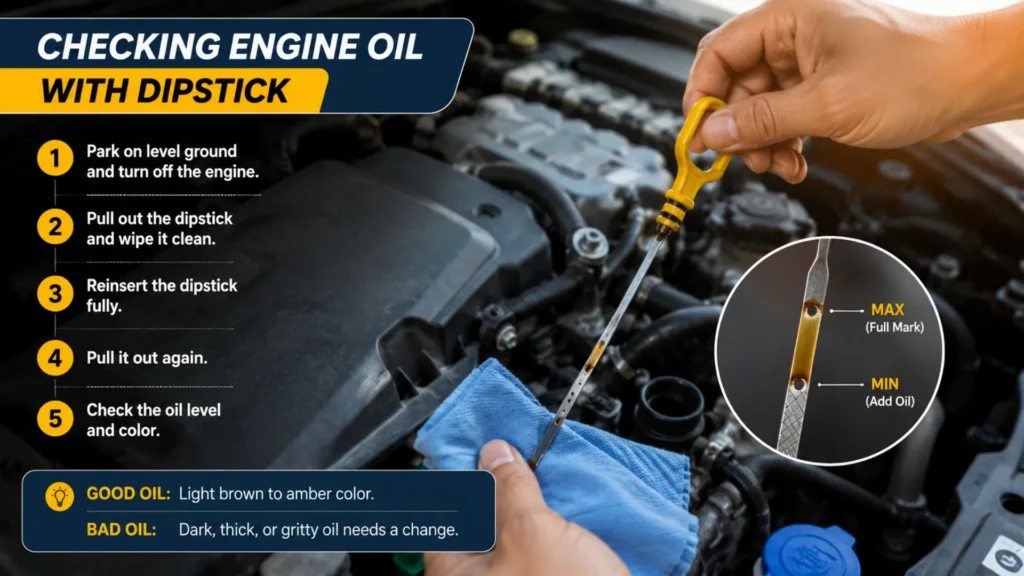
It’s simple, and it’s a good way to keep an eye on things between services.
Just follow these steps:
- Park the car on level ground.
- Turn off the engine, and wait a few minutes.
- Pull out the dipstick.
- Wipe it clean with a cloth.
- Push the dipstick all the way back in.
- Pull it out again, then check the oil level and color.
The level should be between the minimum and maximum marks.
Clean oil usually looks light brown or amber. Thick, black oil may mean it’s time for an oil change.
Get into the habit of checking, and you could catch problems early.
Recommended Oil Change Interval by Vehicle Type
Engine size, weight, and driving style all affect the schedule, so different vehicles need different intervals.
| Vehicle Type | Suggested Interval |
|---|---|
| Sedan | 7,000–10,000 km |
| SUV | 5,000–8,000 km |
| Diesel Car | 5,000–7,000 km |
| Older Vehicle | More Frequent |
Heavier vehicles and older engines often need oil changes sooner, since their engines are under more stress.
Follow the manufacturer’s recommendations for the safest interval.
Frequently Asked Questions
Can I change car oil once a year?
Some modern cars using full synthetic may only need one a year. Frequent driving or harsh conditions could mean you need it sooner.
Does synthetic oil really last longer?
Yes. It resists breakdown better than conventional oil, so you can go longer between changes.
How long can I drive after the oil warning light comes on?
Not long. Low oil pressure can damage the engine quickly, so deal with the warning light right away.
Is low mileage driving bad for engine oil?
Yes. Short trips don’t let the engine fully heat up, which can cause moisture buildup and faster contamination.
Can old engine oil damage the engine?
Yes. It can’t lubricate as well, and that increases friction and may cause overheating or severe wear.
Conclusion
So, how often to change car oil? It depends on your car, your driving, and your oil, but 5,000 to 10,000 kilometers is a good starting point.
Follow your manufacturer’s recommendations, and check the oil regularly.
It only takes a few minutes, and your engine will thank you for it over the years.